




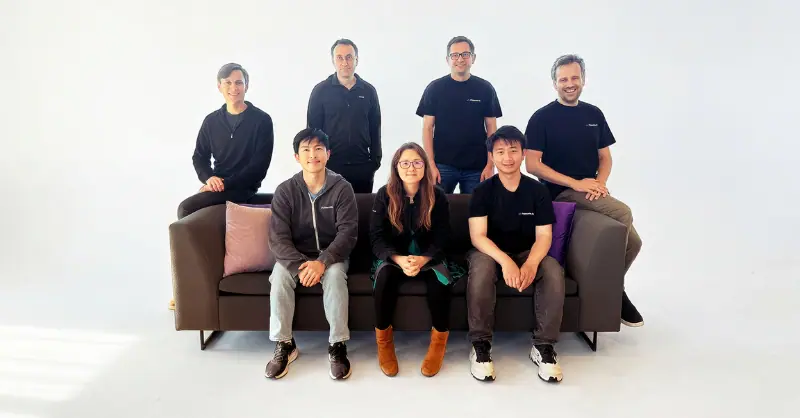
SAN FRANCISCO — The artificial intelligence race has produced some of the world’s largest technology companies, but one of the leading figures behind modern AI development is betting that the industry’s future should not be controlled by a handful of tech giants.
The woman who helped build PyTorch, one of the world’s most widely used machine learning frameworks during her time at Meta, has raised $1.5 billion for a new AI venture focused on developing open and independent artificial intelligence technologies.
The funding marks one of the largest investments ever secured by an AI startup at such an early stage and reflects growing investor confidence in alternatives to AI models developed exclusively by Big Tech companies.
PyTorch has become a cornerstone of modern artificial intelligence research, powering everything from academic breakthroughs to commercial AI products. Its flexible, open-source design made it the preferred framework for researchers and developers worldwide, accelerating innovation across the industry.
Now, its former architect is pursuing a different mission: building AI that remains accessible beyond the control of a small group of dominant technology firms.
The newly funded venture aims to develop advanced AI systems while promoting openness, transparency, and collaboration across the broader AI ecosystem. Rather than limiting access to proprietary technology, the company plans to support developers, researchers, and enterprises seeking greater independence in building AI-powered applications.
The announcement comes as concerns continue to grow over the concentration of AI development among a handful of companies with the financial resources to train increasingly powerful foundation models. Critics argue that excessive consolidation could slow innovation, limit competition, and reduce access to cutting-edge AI technologies.
Supporters of open AI ecosystems believe broader participation encourages faster scientific progress, stronger security through community review, and greater opportunities for startups and researchers worldwide.
The $1.5 billion funding round positions the company among the best-capitalized AI startups globally, providing resources to recruit top engineering talent, expand computing infrastructure, and accelerate the development of next-generation AI models.
Investors backing the company view the startup as a long-term challenger capable of reshaping how advanced AI is developed and distributed. Rather than competing solely on consumer applications, the company is expected to focus on foundational technologies that enable organizations to build their own AI solutions.
Industry analysts say the investment reflects a broader shift in venture capital, with increasing interest in companies building open AI infrastructure instead of closed, proprietary platforms.
As governments worldwide debate AI regulation and digital sovereignty, independent AI companies are attracting growing attention from organizations seeking alternatives to technology controlled by a limited number of global corporations.
The latest funding round underscores the belief among investors that the future of artificial intelligence will be shaped not only by computing power and capital but also by openness, collaboration, and broad access to the technologies driving the next generation of innovation.
With substantial financial backing and leadership rooted in one of AI’s most influential open-source projects, the new venture enters an increasingly competitive market with an ambitious goal: proving that the future of artificial intelligence can remain open, independent, and driven by the wider research community rather than a select group of technology giants.